
Published May 20, 2021
Cicadapocalypse 2021

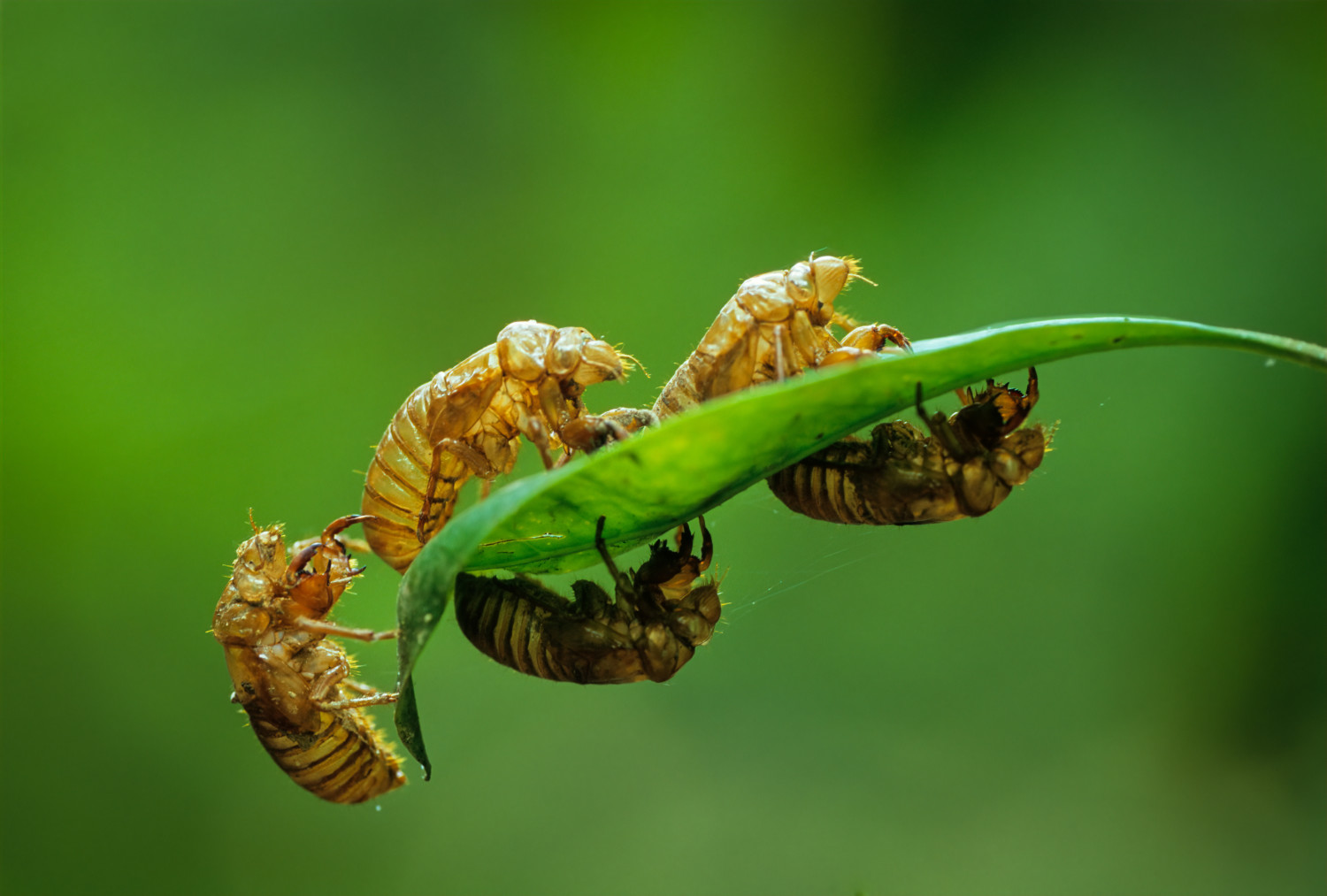
By now, you’ve probably seen, heard, and read about the cicada invasion hitting the mid-Atlantic. You likely assumed it was all hype, until you took a very crunchy stroll to your shed and realized you were walking on a carpet of shells. Sure, it’s a little creepy at first to see empty exoskeletons clinging to every available surface. But unless you plan to stay indoors for the next 4-6 weeks (and therefore miss out on some pretty lovely weather), you might as well embrace the bugs. Here’s a little information on our new alien-looking friends to help you navigate this interesting time, and maybe even slowly open your heart to the little weirdos:
- The last time Brood X (this specific type of cicada) emerged, “Yeah!” by Usher and “Hey Ya!” by Outkast were the top songs, Friends was still on the air, and Martha Stewart was on her way to federal prison. That’s right, they only emerge once every 17 years! At the end of the previous wave, the tiny newborn cicada nymphs burrowed deep into the ground, and they’ve spent all those years since feeding off of plant roots and tree sap. While some scientists think there’s something in the sap that acts as an alarm clock for them when it’s time to re-emerge, the truth is scientists don’t actually know how or why these “broods” suddenly emerge at the exact same time. When they do though, there are typically up to 1.4 million cicadas per acre, leading to potentially billions of cicadas coming out over the 1.5 month period. Here’s a fantastic infographic mapping out the life cycle of Brood X cicadas:
Image credit: Cherie Sinnen; Consultant: Gene Kritsky, author of Periodical Cicadas: The Brood X Edition (2021)
- Cicadas aren’t useless. They create slits in tree branches to lay their eggs, which when combined with the weight of their bodies and their abandoned shells, acts as a natural pruning for trees. In fact, trees whose branches fell off due to cicada infestation actually tend to be healthier and produce more flowers the following year! They also aerate soil by creating tunnels when they dig their way out of the soil, and when they die off, their decaying bodies provide plenty of nitrogen in the soil for growing trees.
Photo Credit: David Gumbart/TNC ©, via Nature.org
- They’re a once-in-a-lifetime snack for many animals. Birds in particular reap the benefits of this seemingly endless buffet of crunchy meals, though lizards, rodents, and fish are also fans. You may notice your pets (particularly dogs) sampling some as well - while it’s probably fine if they eat a couple, too many can cause upset stomach and lead to digestive issues like vomiting. The shells are particularly troublesome, because they’re very difficult for animal stomachs to digest.
Photo credit: RockJumper Conservation Tours
- On a related note, please do not use pesticides to kill or get rid of cicadas. Because so many animals eat them, the pesticides can make birds, already-endangered bats, and even your own furry family members very sick, and may even lead to death. Spraying won’t do much to quell the droves of cicadas anyway, since once the poisoned ones die off, more will inevitably emerge from the ground or move over from your neighbor’s yard. The best thing to do is wait it out.
Photo credit: Gene Kritsky, via the Akron Beacon Journal
- And now, a fact that will undoubtedly be the best news you hear all day: cicadas are edible for humans! Not only that, but many people swear they love the crunch and the taste, which they liken to asparagus.They’re packed with protein, and apparently taste best in the nymph stage, or in the teneral stage (that short period where they’re emerging or have just finished emerging from their shells and are still white). Curious? The Washington Post has you covered with this Spicy Popcorn Cicadas recipe! If you make it, please, please, please tell us how it is...
Photo credit: Laura Chase de Formigny for The Washington Post



Josh Shapiro
Team Leader & CEO | The Josh Shapiro Team | Douglas Realty
or another way